
Choosing the right elevator for a hospital project is a critical decision that directly impacts operational efficiency, patient experience, safety, and long-term maintenance costs. Unlike standard building elevators, hospital elevators must meet stringent requirements for capacity, speed, hygiene, reliability, and compliance with medical standards.
In this guide, we’ll walk you through the key factors to consider when selecting elevators for hospitals — backed by industry insights and practical recommendations.
The choice of an elevator in a healthcare facility has a direct impact on patient outcomes and operational efficiency. Unlike standard elevators in commercial buildings, hospital elevators are designed to meet unique and demanding challenges. They must accommodate high traffic volumes, frequent use, and the specific needs of patient transport, from emergency rushes to the careful movement of individuals in wheelchairs or on stretchers. A well-chosen system supports your medical staff by providing reliable, quick access across departments.
How do hospital elevators differ from elevators used in other buildings? They are built with larger cabins, higher load capacities, and a focus on a smooth, jerk-free ride to protect vulnerable patients. They also incorporate essential safety features like backup power systems and robust construction to handle constant use and critical situations. This specialization ensures they can function as a lifeline within the hospital, supporting everything from urgent care to routine logistical tasks.

When planning your hospital project, several factors must be carefully evaluated to select the best elevator system. Your decision will influence everything from patient safety to daily operational flow. It's about finding a balance between capacity, performance, and long-term reliability.
You must also consider compliance with safety standards, hygiene protocols, and energy efficiency. Thinking through these elements ensures your elevators support your healthcare mission effectively. The following sections will explore these crucial considerations in more detail.
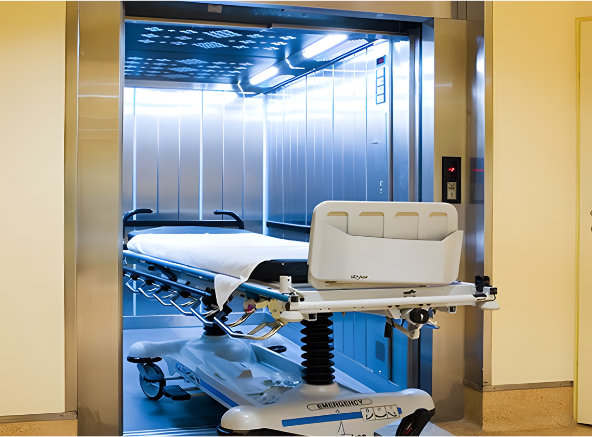
One of the first things to determine is the elevator's capacity and load requirements. Hospital elevators need spacious cabins to comfortably accommodate stretchers, hospital beds, wheelchairs, and the medical staff accompanying them. This isn't just about space; it's about ensuring safe and efficient movement during critical moments.
Choosing an elevator with an adequate load capacity prevents overloading and ensures the system can handle the rigorous demands of a hospital environment. Thoughtful planning here contributes significantly to smooth daily operations and patient care.
Recommended minimum car size:
Bed elevator: at least 5,000 lb capacity with cab size ≥ 7′ × 5′
Passenger elevator: at least 3,000–4,000 lb capacity
Larger cab dimensions not only improve functionality but also allow smooth bed transfers and reduce risk of equipment collisions.
In a hospital setting, every second matters. The speed and performance of your elevators can make a significant difference, especially during medical emergencies. An ideal hospital elevator should offer swift transport to get patients and hospital staff where they need to be without delay. Speeds often range from 0.25 to 2.0 meters per second, balancing quickness with safety.
This focus on performance helps minimize patient anxiety and allows your medical teams to move confidently and efficiently. Reliable speed and a smooth ride are crucial features that support the fast-paced nature of daily operations in a healthcare facility.
Industry standard speed:
Mid-rise hospitals: 150–200 ft/min
High-rise hospital towers: 300–500 ft/min
Faster elevators ensure reduced wait times, especially during peak hours.
Safety is non-negotiable when it comes to hospital elevators. Compliance with all relevant safety standards is not just a recommendation; it's a legal requirement that protects patients, staff, and visitors. Elevators in healthcare settings must be equipped with a range of essential safety features to prevent accidents and ensure reliable operation around the clock.
Are there specific regulations that hospital elevators need to meet? Yes, hospital elevators must adhere to strict codes, including the Americans with Disabilities Act (ADA) standards for accessibility. This includes features like Braille markings, audible signals for floors, and sufficient space for wheelchairs. These regulations ensure equal access for everyone within the facility.
Furthermore, advanced safety features like backup power systems are critical to guarantee the elevator remains functional during a power outage. Emergency stop buttons and communication systems provide an extra layer of security, ensuring help is always available. Strict adherence to these safety and compliance measures is fundamental to a secure hospital environment.
Tip: Always choose elevators that comply with ASME A17.1 / CSA B44 safety standards and local healthcare facility regulations.

Infection control is a top priority in all healthcare settings, and your elevators play a role in maintaining a hygienic environment. High-touch surfaces like elevator buttons can be a hotspot for germs. Modern elevator design incorporates features specifically aimed at reducing the spread of infection.
How do hospital elevators help with infection control and hygiene? They can be designed with materials that are easy to clean and disinfect. Finishes that resist microbial growth and flooring that is seamless and non-porous help maintain a sterile environment. Incorporating advanced technology is another key strategy.
Features that promote hygiene include:
Touchless controls that allow users to call an elevator with a wave of their hand.
Advanced ventilation and air purification systems within the cabin.
Antimicrobial coatings on handrails and control panels.
These thoughtful additions help minimize the risk of cross-contamination and support your facility’s overall infection control protocols.
An elevator is only useful if it's working. In a hospital, elevator downtime can disrupt critical services, delay patient care, and create logistical nightmares. That's why reliability is one of the most important factors to consider. Choosing a system from a manufacturer with a proven track record for durability and performance is the first step.
Why is regular maintenance so important for hospital elevators? Because preventive maintenance is the key to avoiding unexpected breakdowns. A proactive maintenance schedule that includes regular inspections, lubrication of moving parts, and timely replacement of worn components ensures your elevators operate smoothly day in and day out. This approach helps identify and fix potential issues before they become major problems.
Working with a trusted service provider who understands the unique demands of healthcare facilities ensures your elevators receive the specialized care they need. Consistent maintenance not only enhances safety and reliability but also extends the service life of your equipment, protecting your investment.

Modern hospitals are increasingly focused on sustainability and reducing operational costs. Choosing an energy-efficient elevator system can contribute significantly to these goals. Advanced technology has made today's elevators much more environmentally friendly than older models, consuming less power without sacrificing performance.
What energy-efficient features are commonly found in modern hospital elevators? Many systems now use regenerative drives that capture energy during braking and return it to the building's electrical grid. This innovation alone can dramatically reduce an elevator's energy consumption.
Other key energy-efficient features include:
LED lighting, which uses far less energy and lasts longer than traditional bulbs.
Gearless traction systems that are more efficient than older hydraulic or geared models.
Standby modes that power down lights and displays when the elevator is not in use.
Investing in an elevator with these features not only lowers your hospital's carbon footprint but also leads to substantial long-term savings on utility bills.
Not all elevators are created equal, especially in a medical facility. Different areas of a hospital have different needs, which is why various types of elevators are used to manage the flow of people and materials. The role of hospital elevators extends from public convenience to critical patient transport and logistical support.
Understanding the specific function of each type of hospital lift will help you plan a system that is efficient, safe, and tailored to your facility’s unique requirements. Let's look at the three primary types: passenger, bed/stretcher, and service elevators.
Selecting the right passenger elevators is integral to optimizing hospital operations. Designed to accommodate the unique demands of healthcare facilities, these elevators must ensure safe transportation of patients in various scenarios. The load capacity should align with the typical patient weight, including medical equipment and personnel, to provide seamless movement throughout the hospital.
Comfort and accessibility are essential features of these elevators, facilitating efficient transport for patients and hospital staff. Spacious cabins equipped with touchless controls enhance the experience, reducing contact and supporting infection control protocols. Furthermore, adherence to safety standards, such as automatic doors and emergency communication systems, guarantees maximum patient safety. Ultimately, well-chosen passenger elevators play a crucial role in enhancing the overall patient experience while meeting the distinctive needs of hospital settings.

Selecting the right bed and stretcher elevators is critical for optimizing the tailored demands of healthcare facilities. Designed for the safe transportation of patients and heavy medical equipment, these elevators must meet specific load capacity requirements to ensure robust functionality. Spacious cabins with automatic doors facilitate easy access for hospital staff, minimizing the risk of accidents during critical moments when every second counts.
Beyond mere capacity, the inclusion of advanced technology, such as emergency communication systems and touchless controls, enhances patient safety and overall patient experience. Regular inspections and preventive maintenance are vital to uphold essential safety features, ensuring that these elevators operate smoothly in the fast-paced environment of hospital settings. Investing in reliable bed and stretcher elevators directly influences the efficiency of daily operations and the quality of patient care delivered.

A critical component of hospital operations, service or freight elevators facilitate the transportation of heavy medical equipment and supplies, ensuring that healthcare professionals can quickly access essential tools when needed. Designed to handle substantial load capacities, these elevators provide the spacious cabins required for moving bulk items, thus streamlining medical processes and enhancing overall patient care.
Advanced technology, such as touchless controls, improves user experience while minimizing the risk of contamination—a vital consideration in healthcare settings. Regular inspections and preventive maintenance routines ensure compliance with safety standards, safeguarding both staff and patients. By integrating automatic doors and emergency communication systems, service elevators uphold the highest safety features crucial for maintaining smooth operation in bustling hospital environments.
Effective elevator planning goes beyond just selecting the right type of lift. It involves thinking strategically about how your elevators will integrate into overall hospital operations. A well-designed system can significantly enhance efficiency, reduce wait times, and improve the experience for both patients and healthcare professionals.
Considering traffic flow, embracing new technologies, and planning for future needs are a few pro tips that can make a world of difference. Let’s explore some practical strategies to optimize your hospital’s vertical transportation network.
One of the most effective strategies for traffic management is to create separate elevator groups for different purposes. Dedicating specific elevators for patient transport, public use, and service/freight traffic can dramatically improve flow and enhance patient safety. This separation prevents conflicts, such as a visitor rush delaying a critical patient transfer.
How do hospital elevators differ from elevators used in other buildings? This separation is a prime example. While an office building might have a single bank of elevators for everyone, a hospital’s diverse needs require a more segmented approach. A dedicated bank for your hospital staff can also speed up response times, as they won't have to compete with public traffic.
By analyzing the expected flow of people and materials throughout the day, you can strategically place these elevator groups to minimize congestion and ensure that each user group has reliable and timely access. This level of planning is essential for a large and complex healthcare facility.
Embracing advanced technology like destination dispatch systems can revolutionize your hospital's elevator efficiency. Instead of pressing a simple up or down button, users select their destination floor on a keypad in the lobby. The system then intelligently groups passengers heading to the same or nearby floors and assigns them to a specific elevator car.
This technology offers numerous benefits that contribute to a better experience. It reduces the number of stops each elevator makes, leading to faster travel times and less crowding. For patients, this means a quicker and more direct journey, which enhances comfort and reduces stress, contributing to a smoother ride.
Key advantages of destination dispatch include:
Improved efficiency and reduced wait times.
Less crowded elevator cars.
Energy savings from more optimized travel patterns.
This system is an excellent example of how modern features can ensure both patient comfort and operational excellence.
When designing your hospital's elevator system, it's wise to think beyond your immediate requirements. Hospital settings are dynamic, and your facility may expand or reconfigure its services over time. Planning for future needs from the outset ensures your vertical transportation can adapt without requiring a costly and disruptive overhaul.
Consider scalable solutions that allow for future upgrades or expansion. This might involve ensuring that elevator shafts can accommodate larger cars later or that the control systems are modular and can be easily updated. What should be considered when choosing a hospital elevator provider? Look for a partner who offers modern, adaptable technology and has experience in future-proofing buildings.
A forward-thinking approach ensures that your investment remains valuable for years to come. By anticipating potential growth in patient volume or the addition of new departments, you can design an elevator system that continues to meet the demands of your evolving hospital.
In summary, selecting the right elevator for hospital projects is crucial for ensuring efficient patient care and safety. With considerations like capacity, speed, hygiene, and compliance, the process requires careful planning to meet both current and future needs. As you evaluate different types of elevators, remember the importance of reliability and energy efficiency, which play a significant role in long-term operational costs. By adhering to best practices and incorporating modern technology, such as destination dispatch systems, you can significantly enhance the overall patient experience. For tailored solutions that fit your specific requirements, don't hesitate to get quotes from our trusted providers today!
Yes, hospital elevators must comply with strict regulations, including the ADA for accessibility and various national and local safety standards. This compliance ensures the hospital lift is safe for all users. A healthcare facility must work with providers who understand these codes to guarantee every installation is up to standard.
Hospital elevators aid infection control with essential features like easy-to-clean surfaces and advanced air filtration systems. Modern elevators in healthcare settings often include touchless controls to minimize contact with high-touch surfaces, which is a key part of maintaining hygiene and reducing the spread of germs.
Facility managers should choose a hospital lift provider with a proven track record in healthcare. Key factors include their commitment to reliability, the quality of their maintenance services, and their experience in meeting the unique demands of healthcare facilities, where safety and uptime are non-negotiable.
 English


