
Malaysia has several established elevator companies, including local operations of international manufacturers and Malaysian businesses that design, manufacture, supply or service lift systems. For a building owner, the most useful comparison is not a claim that one brand is universally “best.” It is whether the company can supply a suitable lift, identify the contracting and installation parties, and document the approvals and maintenance arrangements required for the project.
This guide profiles 10 elevator companies and brands relevant to Malaysian projects. The entries are a practical shortlist, not a sales-volume ranking or an independent safety or performance test. Some are Malaysian operating companies, one is a Malaysian manufacturer, and Delfar is a China-based manufacturer whose name appears in a published Malaysian principal-brand listing. Their roles are not interchangeable.
The shortlist uses three evidence checks:
1. Identifiable elevator business. An official company page or government record supports the company’s lift, escalator or related supply activities.
2. Traceable Malaysia connection. There is evidence of a Malaysian operating entity, local business presence or documented brand-to-Malaysian-company association. A historic association is not represented as a current service contract.
3. Useful procurement distinction. The company offers a relevant point of comparison, such as local manufacture, new-installation products, traffic planning, modernization, or an imported-equipment sourcing model.
The order below follows the original article’s broad sequence and does not indicate market share, quality, price or an award ranking. Information about specific models, registration status and service coverage should be reconfirmed before a tender. A company appearing in a published Department of Occupational Safety and Health (DOSH/JKKP) list does not, by itself, establish that its registration is current for a new project.
Company | Evidence-based role in Malaysia | What buyers can compare |
Mitsubishi Elevator Malaysia | Malaysian Mitsubishi Electric building-systems operation | Traffic-planning and building-system integration for new lifts or modernization |
Otis Elevator Malaysia | Malaysian elevator business of the international Otis group | Distinguish the new-equipment package from long-term maintenance and modernization services |
Fuji Elevator (M) Sdn Bhd | Listed in a published DOSH company/principal-brand directory with SJEC; present status unverified | Legal tendering entity and actual model manufacturer; do not confuse Fuji with Fujitec |
TK Elevator Malaysia | Malaysian operation of TK Elevator, formerly thyssenkrupp Elevator | New installation versus partial modernization or complete replacement |
Hitachi Elevator Engineering (Malaysia) | Malaysian engineering, supply, installation and maintenance company | Coordinated design drawings, installation interfaces and defined site responsibilities |
Antah Schindler | Authorized Malaysian distributor and service provider for Schindler | Distributor/installer role, traffic study and named service-contract scope |
EITA Elevator / EITA-Schneider | Malaysian distributor/project company and a distinct Malaysian manufacturing subsidiary | Locally manufactured EITA-Schneider models, customization and division of project work |
Sigma Elevator (M) | Malaysian company in a published DOSH directory with Otis-related SIGMA manufacturers | SIGMA model identity versus Otis-branded offers; do not count as a separate parent group |
KONE Elevator (M) | Malaysian company of the international KONE group | Lift group configuration, passenger flow and modernization feasibility |
Delfar Elevator | China-based manufacturer named as a principal in a published Malaysian DOSH directory | Equipment-only/import supply versus separately contracted local approvals and installation |
Mitsubishi Elevator Malaysia Sdn Bhd is an established Malaysian elevator company within Mitsubishi Electric's building-systems business. Mitsubishi Electric's local history traces its lift-and-escalator activity in Malaysia to a joint venture established in 1972. Its product portfolio covers elevators and escalators, moving walks and modernization.
Mitsubishi offers a useful comparison for projects where lift capacity, group control and other building systems must be designed together. For a modernization project, the distinction is whether existing shafts and operational constraints can be accommodated by the proposed solution. Its Malaysian presence does not establish that a particular lift model is manufactured locally.

Otis Malaysia has an identified Malaysian office and a local product and service presence. Its published portfolio includes passenger lifts for different building heights, escalators and moving walks, modernization, and elevator maintenance programs. The company also promotes its Gen3 elevator range through its Malaysia website.
Otis provides a useful lifecycle comparison: a new-installation bid can be evaluated alongside its modernization and maintenance offerings without treating them as one bundled commitment. A supplier's published service portfolio does not, by itself, establish response times, coverage or future upgrade terms for a specific Malaysian contract.

Fuji Elevator (M) Sdn Bhd appears in a published DOSH company/principal-brand directory, which pairs it with SJEC Corporation (SJEC). This supports an identifiable historical listing, not a current registration, an ongoing exclusive manufacturer relationship or a claim that every offered model comes from SJEC.
The name Fuji also appears in unrelated or differently owned elevator businesses. For this entry, the decisive evidence is the legal company named on the bid and the manufacturer/model shown on the technical documents, not the shared word in a brand name. Fuji Elevator (M), Fujitec (Malaysia) and Fuji Electric should not be treated as the same company.
TK Elevator Malaysia is the current company and brand name relevant to the former thyssenkrupp Elevator operations. Its Malaysia site states that it has operated locally since 1997 and provides installation, maintenance and modernization of elevators and escalators. It lists Malaysian offices in several regions and separate elevator and escalator product ranges.
TK Elevator's range makes it a useful comparator for a building that is already operating: retaining usable equipment through modernization is a different engineering and disruption decision from replacing the entire lift. The selected route depends on the existing installation and a project-specific assessment, not the general reputation of the brand.
Hitachi Elevator Engineering (Malaysia) Sdn Bhd identifies itself as a Malaysian company established in 1983. According to its company profile, it undertakes design, planning, supply, installation and maintenance of Hitachi elevators, escalators and moving sidewalks in Malaysia. Hitachi's global corporate directory also lists the Malaysian entity.
Hitachi's documented Malaysian engineering role is especially relevant when shaft interfaces, building works and commissioning need coordinated responsibility. This is a different comparison from treating a global product catalogue as proof that any configuration can be supplied for the site; the Malaysian quotation must define the deliverable engineering scope.
Antah Schindler Sdn Bhd describes itself as an authorized distributor and service provider for Schindler elevators and escalators in Malaysia. Its published company profile explains the local joint-venture history and activities in supply, installation, modernization, maintenance and repair. The Malaysian product site includes passenger-lift ranges and building-planning tools.
Antah Schindler is particularly relevant when comparing a global manufacturer's technology through an identified Malaysian authorized distributor and service provider. For offices, hotels and mixed-use developments, its proposal can be assessed against a building-specific traffic study; that is more meaningful than generic claims about dispatch efficiency.
EITA Elevator (Malaysia) Sdn Bhd provides an important Malaysian manufacturing comparison. Its group identifies EITA-Schneider (Mfg) Sdn Bhd as the local manufacturer of EITA-Schneider elevator systems, while EITA Elevator carries out design, installation and maintenance activities. The company's published range includes passenger, service and goods lifts, home lifts, escalators and travelators.
EITA stands apart because the manufacturer and Malaysian project-facing company are identifiable as different entities in the same group. This creates a useful comparison around locally manufactured EITA-Schneider systems and customization capability; any claim about local content, lead time or site performance still depends on the specified model and contractual scope.
Sigma Elevator Company markets elevators, escalators and moving walks with Korean brand heritage and manufacturing facilities described in Korea and China. A published DOSH list identifies Sigma Elevator (M) Sdn Bhd and associates the SIGMA brand with Otis-related manufacturers. A 2026 Otis recruitment listing also names Sigma Elevator (M) Sdn Bhd in Malaysia.
The published manufacturer associations show why SIGMA should not be described as part of Hyundai Elevator. SIGMA and Otis remain separate entries here because buyers encounter different marketed identities, but they are not evidence of ten independent parent groups. The useful distinction is the SIGMA-branded equipment on offer and the Malaysian party accountable for it.
KONE Elevator (M) Sdn Bhd has an identified Malaysian office and dedicated local customer-service contacts. KONE supplies elevators and escalators and provides modernization and maintenance services, making it relevant to residential, commercial and mixed-use buildings where long-term people flow is a key design consideration.
KONE is a useful benchmark for people-flow planning and lift group arrangements in taller or busier buildings. Its modernization options also matter for an existing installation, whereas a new build calls for a traffic study of the proposed layout. Product availability and project conditions remain specific to the Malaysian offer.

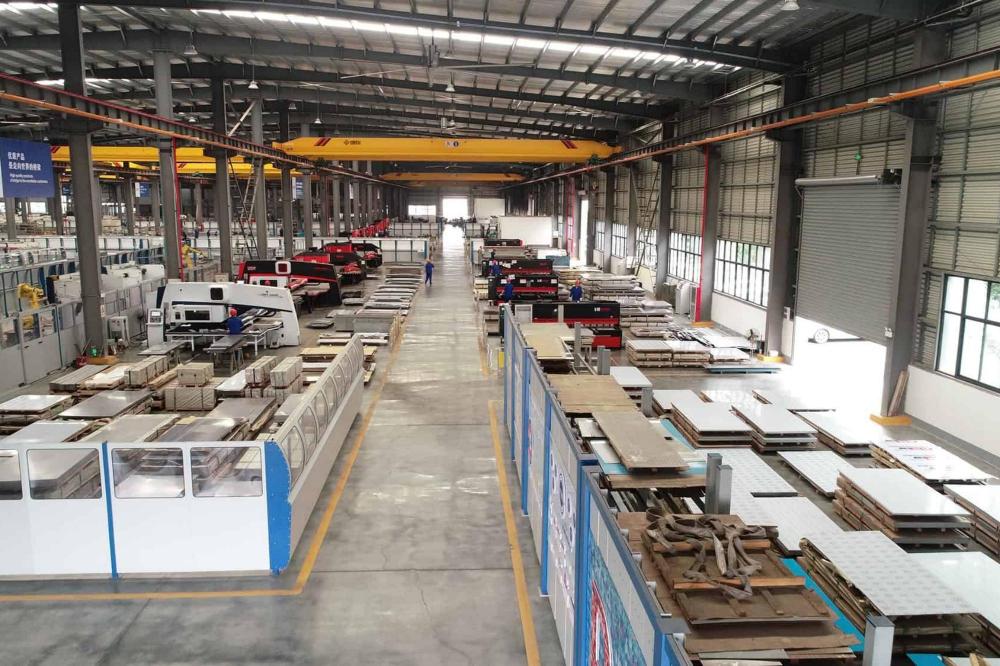
Delfar Elevator Co., Ltd. is a China-based elevator manufacturer, not a Malaysian-owned manufacturer or a locally licensed maintenance company. A published Malaysian DOSH list records Delfar as a principal brand associated with Am-Advance Elevator (M) Sdn Bhd. That listing is evidence of an association in the published record; it does not establish a currently valid registration, an exclusive partnership or an assured installation team for any new project.
Delfar's useful comparison point is the imported-equipment procurement model, rather than Malaysian manufacture or an assumed local installation service. A buyer can assess its equipment designs and supply boundaries separately from the locally responsible importer and registered competent company. Delfar's passenger elevator solutions illustrate product categories, with project applicability subject to a specific quotation and Malaysian approval review.
Start with the building, not the brand. A usable request for quotation should state the building use, number of served floors, travel height, intended load, expected passenger flow, available shaft dimensions, door access and any accessibility or goods-handling needs. For existing buildings, add the current elevator details, downtime constraints and whether modernization is acceptable.
Then compare the quotations against the same scope:
· Equipment and drawings: Manufacturer, model, rated load, speed, cabin and door dimensions, shaft requirements, power supply, controller and declared options
· Project responsibility: Who supplies the equipment, imports it, carries out civil/electrical interfaces, installs and commissions it, and manages local submissions
· Local compliance: Which registered competent company handles model-specific design verification, the subsequent installation-permission process, inspections and the Certificate of Fitness needed for operation
· Commercial boundaries: Whether freight, import charges, local transport, site works, installation, testing, spare parts, warranty exclusions and service agreements are included
· Maintenance: The competent service provider, access to spare parts, scheduled inspection duties and emergency-response terms in the signed contract
Malaysia's approval process involves distinct checkpoints, not one general supplier permit. DOSH's lift design-verification guidance and its 2025 application guide describe model-specific design verification before an application for permission to install. Installation, testing and other regulated work must be assigned to an appropriately registered competent company; a valid Certificate of Fitness (CF) is required before a covered lift is operated. The Occupational Safety and Health (Plant Requiring Certificate of Fitness) Regulations 2024 form part of this framework. The Malaysian project team should verify applicable inspections, documents and responsible parties for the precise equipment and project; a historic company/principal-brand list is not current-license verification.
For budgeting context, Delfar also publishes a separate Elevator Price in Malaysia guide. Its illustrative price ranges are not binding offers from any of the ten companies listed here.
Yes. EITA identifies EITA-Schneider as a locally manufactured elevator-system brand. Other entries include Malaysian subsidiaries or distributors of overseas groups, and Delfar is an overseas manufacturer considered as an import option. Local business registration and local equipment manufacture are different claims.
Not necessarily. A published company/principal-brand directory can identify a historical association, but it is not a live check of a company's current registration, its approval for a particular lift model or its role in a new contract. Ask the proposed Malaysian installer to demonstrate the applicable current competent-company status and project-specific documentation.
For covered equipment, distinguish the proposed lift model's design verification, the permission-to-install process, and the Certificate of Fitness required for operation. DOSH's application guide specifies that design verification comes before an application for permission to install. The registered competent party should identify the inspections, applications and approvals it will handle for the actual project.
Use the same lift specification and site conditions for each quotation. Compare equipment supply separately from shipping, installation, shaft and electrical works, testing, local compliance, warranty and maintenance. A lower equipment-only price does not establish a lower completed-project cost.
An effective shortlist distinguishes who manufactures the equipment, who contracts locally, and who is responsible for installation, approvals and maintenance. These companies offer different business models; no company in this list is awarded an evidence-free “best overall” title. Verify the latest model and competent-party status before signing.
If you are considering imported Delfar equipment for a Malaysian project, you can contact Delfar with your drawings and lift requirements to discuss the equipment supply scope. Local installation and regulatory arrangements must be confirmed separately.
 English


