
Choosing the right passenger elevator is a critical decision that affects building safety, passenger comfort, operational efficiency, and long-term operating costs. For developers, contractors, and building owners, elevator selection must align with building height, traffic demand, installation conditions, and international safety standards. This guide provides a practical, manufacturer-oriented overview of how to select a passenger elevator that meets real project requirements, helping buyers avoid over-specification, control lifecycle costs, and ensure reliable performance throughout the elevator’s service life.
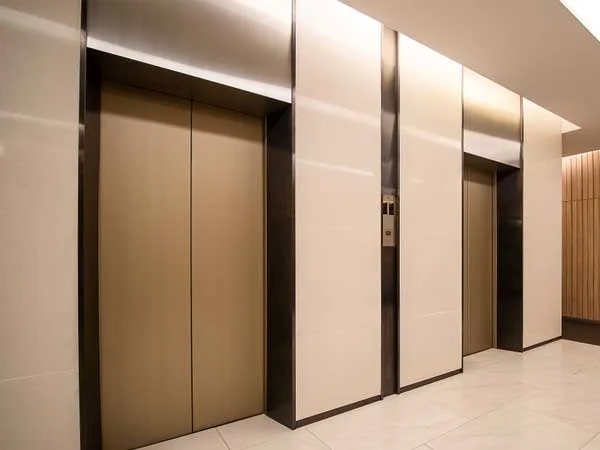
Selecting a passenger elevator should always begin with a clear understanding of the building’s function and daily usage patterns. Different environments impose different technical and operational requirements on the elevator system, affecting capacity planning, speed selection, control strategy, and comfort standards. Defining the application scenario early helps avoid over-design or under-specification and ensures the elevator system matches real traffic demands.
| Project Type | Selection Focus | Technical Adaptation Points |
|---|---|---|
| Residential Buildings | Ride comfort, low noise, energy efficiency, predictable traffic | Smooth acceleration, precise leveling, cost-effective operation |
| Commercial & Office Buildings | Handling capacity, fast response, traffic management | Reliable group control, stable frequent-start operation, reduced waiting times |
| Hotels & Mixed-Use Complexes | Quiet ride, aesthetic cabin design, accurate leveling | Flexible cabin finishes, soft-start/stop, precise leveling |
| Hospitals & Public Buildings | Safety, smooth motion, emergency functions | Enhanced safety systems, dependable emergency operation, stable motion control |
Residential buildings typically require elevators that emphasize ride comfort, low noise, and energy efficiency. Traffic patterns are relatively predictable, with peak usage in the morning and evening. Smooth acceleration, precise leveling, and cost-effective operation are more important than extreme speed, ensuring daily convenience for residents.
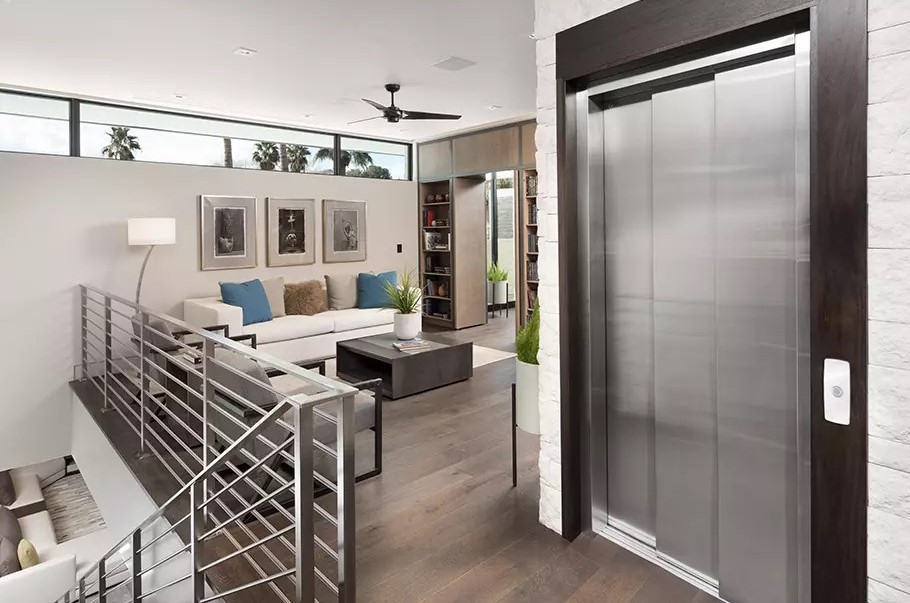
Office and commercial buildings demand higher handling capacity and faster response times to manage concentrated traffic during peak hours. Reliable group control, stable operation under frequent starts, and reduced waiting times are critical to maintaining operational efficiency and user satisfaction.
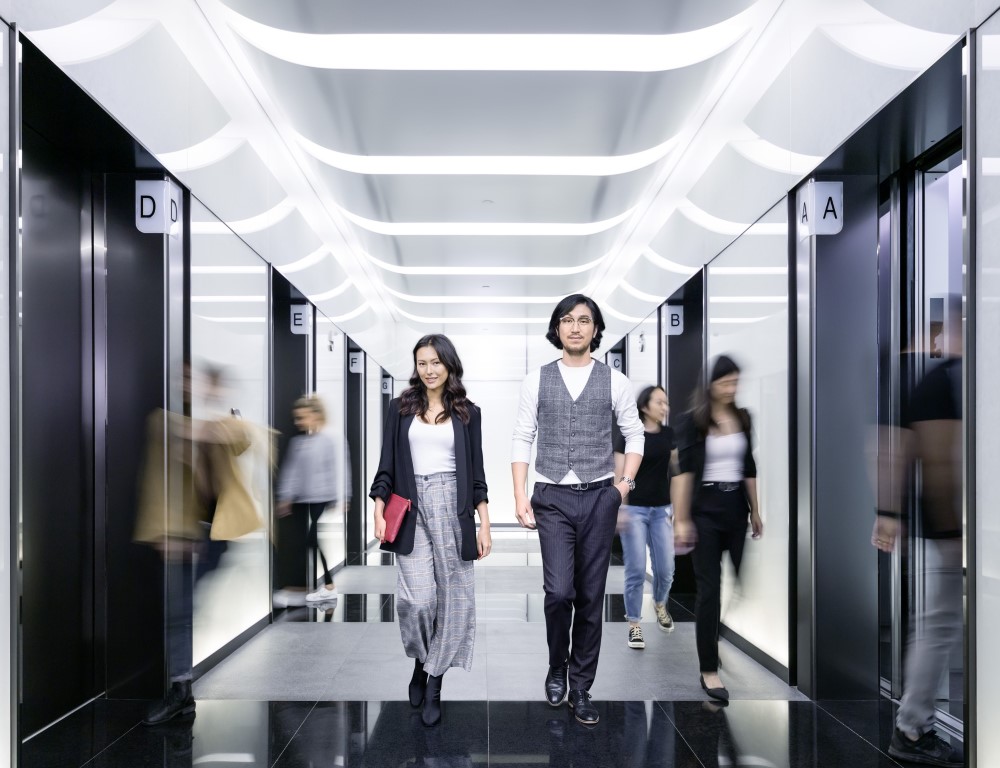
In hotels and mixed-use developments, passenger elevators play a visible role in the overall user experience. Quiet operation, excellent leveling accuracy, and flexible interior design options are essential, as elevators must support both functional performance and architectural aesthetics.
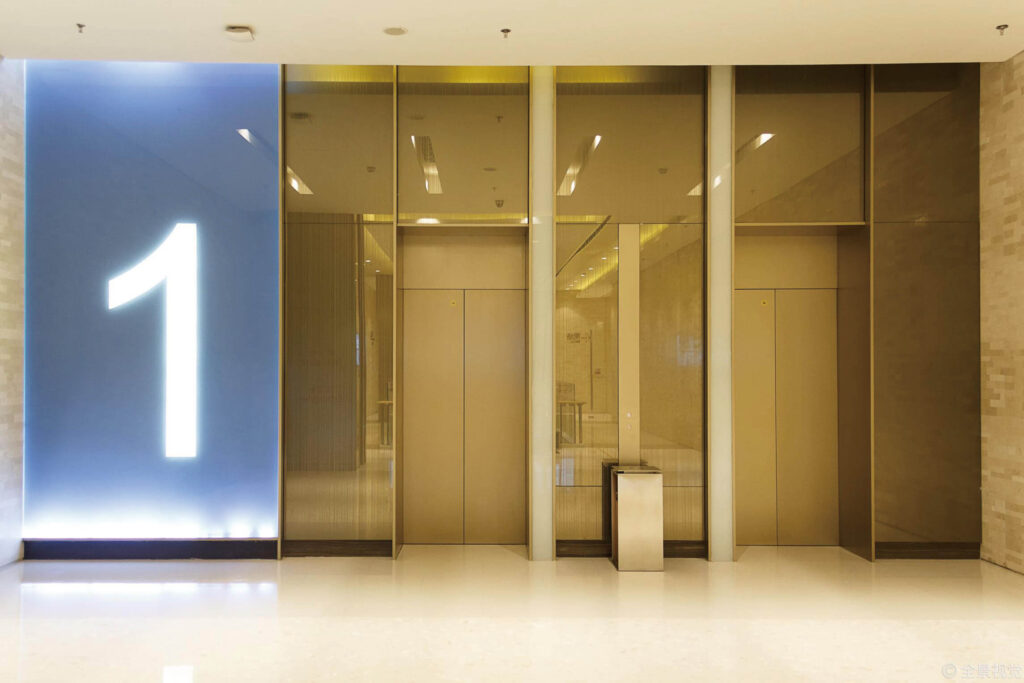
Hospitals and public facilities require passenger elevators with enhanced safety, smooth motion control, and dependable emergency functions. These environments place strict demands on operational reliability, passenger comfort, and compliance with safety and evacuation requirements.

Once the application scenario is defined, the next step is to evaluate the core technical factors that determine whether a passenger elevator will operate efficiently, safely, and economically over its entire lifecycle. These factors are closely linked to building structure, passenger flow, and long-term maintenance considerations, and should be assessed together rather than in isolation.
Rated load capacity should match the expected passenger volume and usage intensity of the building. Common capacities range from 400 kg to 2000 kg, with residential buildings typically using lower capacities and commercial or public buildings requiring higher load ratings. Oversizing increases initial cost and energy consumption, while undersizing leads to congestion and accelerated wear.
Elevator speed must be selected based on building height and acceptable waiting time. Low-rise buildings generally operate efficiently at 1.0–1.75 m/s, while mid- and high-rise projects may require speeds from 2.0 m/s up to 10.0 m/s. Proper speed selection balances passenger comfort, traffic efficiency, and system cost.
Choosing between a machine room (MR) and machine-room-less (MRL) design affects building layout, construction cost, and maintenance access. MRL elevators reduce space requirements and are well suited for residential and mid-rise projects, while MR configurations are often preferred for high-speed or high-capacity applications.


Shaft dimensions, pit depth, and overhead clearance directly limit available elevator configurations. Minimum shaft size, pit depth, and top height must be confirmed early in the design phase, especially for renovation projects, to ensure technical feasibility and avoid costly structural modifications.
The drive and control system is the technical core of a passenger elevator, directly influencing ride comfort, energy efficiency, safety performance, and long-term reliability. Selecting a stable and well-matched system is essential for ensuring consistent operation under varying load and traffic conditions.
Permanent magnet synchronous traction machines are widely used in modern passenger elevators due to their high efficiency, compact structure, and low noise levels. Compared with traditional geared systems, they deliver smoother acceleration and deceleration while reducing energy consumption and maintenance requirements.
Advanced VVVF (Variable Voltage Variable Frequency) control systems precisely regulate motor speed and torque, ensuring smooth starts, accurate leveling, and reduced mechanical stress. A reliable control system improves traffic handling efficiency and extends the service life of key components.
Modern passenger elevators integrate multiple safety and intelligent functions, including automatic fault leveling, infrared light curtain protection, and real-time system monitoring. High energy efficiency ratings and intelligent diagnostics further enhance operational stability and reduce unexpected downtime.
Installation conditions play a decisive role in determining whether a passenger elevator can be smoothly integrated into a building project. Confirming these requirements at the early design stage helps avoid redesign, delivery delays, and unexpected construction costs.
The minimum shaft dimensions must meet the elevator’s technical requirements. A typical minimum shaft size is 1000 × 1000 mm, which directly affects the allowable car size and load capacity. Insufficient shaft space can significantly limit elevator configuration options.

Pit depth and top height are critical for safe installation and long-term operation. A common pit depth requirement is around 200 mm, while the minimum overhead clearance is approximately 2800 mm. These dimensions must be verified against architectural drawings before finalizing the elevator model.
For new buildings, shaft and structural dimensions can be optimized during the design phase. In renovation or replacement projects, customized solutions may be required to adapt the elevator system to existing shaft conditions, making early technical evaluation essential.
Compliance with international safety standards is a fundamental requirement when selecting a passenger elevator for global projects. Certified systems not only ensure passenger safety but also simplify approval, inspection, and long-term operation across different regions.
Passenger elevators should comply with recognized international standards such as EN 81-20, CE, EAC, and ISO management systems. These certifications confirm that the elevator’s design, manufacturing, and testing processes meet strict safety and quality requirements.
Modern passenger elevators are equipped with multiple safety protections, including dual-circuit braking systems, overspeed protection for both upward and downward travel, and overload detection with automatic elevator stop. These systems work together to prevent abnormal operation under fault conditions.
Essential safety features also include emergency lighting, alarm systems, and firefighter operation functions. These functions ensure safe passenger evacuation and reliable elevator control during power failures or fire emergencies, meeting the safety expectations of public and commercial buildings.

Selecting the right passenger elevator for international projects goes beyond cost and aesthetics. Global buyers prioritize systems that ensure long-term reliability, regulatory compliance, and passenger safety. Understanding how elevators meet safety standards and incorporate protective features is critical for minimizing operational risk, simplifying approvals, and providing peace of mind for building operators and occupants alike.
Compliance with international safety standards is a fundamental consideration when selecting passenger elevators for global projects. Certified systems not only safeguard passengers but also streamline regulatory approvals, inspections, and long-term operations across diverse regions.
Delfar passenger elevators adhere to widely recognized international standards such as EN 81-20, CE, EAC, and ISO management systems. These certifications validate that design, manufacturing, and testing processes consistently meet stringent safety and quality benchmarks.
Modern elevators incorporate multiple safety protections, including dual-circuit braking systems, overspeed detection for both upward and downward travel, and overload monitoring with automatic stopping. These integrated systems prevent abnormal operation and ensure reliable performance under fault conditions.
Essential safety features include emergency lighting, alarm systems, and firefighter operation modes. These functions enable safe passenger evacuation and maintain elevator control during power outages or fire emergencies, aligning with the expectations of commercial, residential, and public building operators.
Long-term operation is a critical factor for global buyers. Beyond initial selection, understanding maintenance requirements, component lifespan, and support logistics ensures safe, efficient, and cost-effective elevator performance throughout its lifecycle.
| Aspect | Typical Interval / Lifetime | Notes |
|---|---|---|
| Maintenance Frequency | Monthly / Quarterly / Semi-Annual | Depends on traffic intensity and local regulations |
| Major Component Life | 20–25 years (modernization every 10–15 years) | Includes traction machine, controller, doors |
| Remote Support & Spare Parts | Immediate remote guidance; spare parts 2–6 weeks | Ensures minimal downtime for global projects |
Regular maintenance is essential to comply with local regulations and maintain safe operation. Depending on traffic and building usage, inspections typically occur monthly, quarterly, or semi-annually. Proactive maintenance reduces downtime and extends the service life of key components.

Core components such as traction machines, controllers, and door systems are engineered for durability and reliability. Knowing the expected lifespan of these components allows buyers to plan modernization, replacement, and budget allocation for long-term operations.
Modern elevators support remote monitoring and technical guidance, enabling quick troubleshooting and predictive maintenance. Transparent spare parts availability and predictable international delivery cycles help global buyers minimize operational interruptions and maintain continuous service.
Successful international elevator projects require more than just equipment supply—buyers need clear processes, reliable guidance, and experienced support throughout the project lifecycle. Delfar addresses these needs with structured services tailored for global B2B clients.
B2B Inquiry to Delivery Workflow
From initial technical inquiry to order confirmation, production, and shipping, Delfar provides a streamlined workflow that minimizes uncertainty and keeps project timelines on track. Buyers receive detailed documentation, technical drawings, and project schedules to support decision-making.
Installation Guidance and After-Sales Support
Professional engineering teams offer on-site or remote installation guidance, training, and documentation. This ensures elevators are installed correctly, operate safely, and meet project-specific requirements from day one.
Experience with International Projects
Delfar’s experience with overseas projects allows proactive management of logistical, regulatory, and technical challenges. Global buyers benefit from solutions optimized for compliance, operational efficiency, and user satisfaction across different regions.
Choosing the right passenger elevator for global projects requires balancing three core considerations: cost-effectiveness, technical compatibility, and reliable service support. Evaluating elevators based on these criteria ensures that buyers select systems that deliver long-term value, comply with international safety standards, and operate efficiently throughout their lifecycle.
Partnering with a professional manufacturer at the selection stage is crucial. Expertise in component configuration, pre-delivery testing, and post-sale support helps buyers avoid costly mistakes, streamline installation, and maintain consistent performance. By focusing on proven experience, safety compliance, and tailored service, global buyers can confidently implement passenger elevator solutions that meet both project and user expectations.
Routine maintenance schedules typically range from monthly to quarterly, depending on traffic intensity and local regulations. High-traffic environments may require more frequent inspections to ensure safety and optimal performance.
With proper maintenance, the core components of a passenger elevator can last 20–25 years. Modernization or component upgrades are often recommended every 10–15 years to maintain efficiency and compliance with evolving standards.
Yes. Elevators can be adapted to non-standard shaft dimensions, provided technical feasibility and regulatory requirements are met. Customization ensures compatibility with existing building layouts while maintaining safety and operational efficiency.
 English


